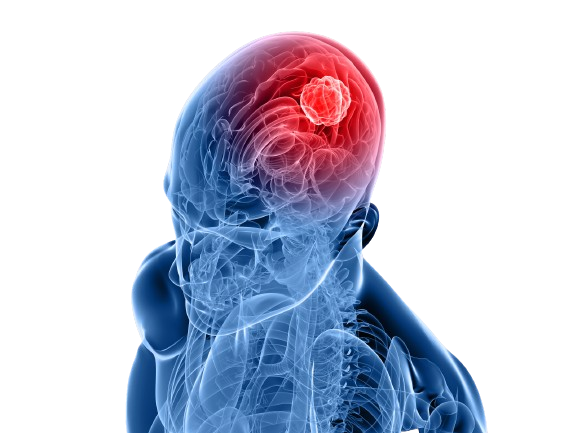
- Epilepsy as a symptom:Seizures are a common symptom of brain tumors. The type and frequency of seizures can vary depending on the location, size, and growth rate of the tumor.
- Types of seizures:Brain tumors can cause both focal (partial) seizures, which originate in a specific area of the brain where the tumor is located, and generalized seizures, which involve both sides of the brain. Focal seizures may manifest with specific symptoms depending on the affected brain region.
- Diagnosis:When a brain tumor is suspected, diagnostic tests such as MRI (Magnetic Resonance Imaging) and CT (Computed Tomography) scans are performed to visualize the tumor and its location in the brain. EEG (Electroencephalogram) may also be used to record electrical activity in the brain and detect abnormal patterns associated with seizures.
- Treatment:Managing epilepsy in the context of a brain tumor involves addressing both the tumor itself and the seizures it causes. Treatment options may include surgery to remove the tumor, radiation therapy, chemotherapy, and/or antiepileptic medications to control seizures.
Certainly! Here are some insights into the relationship between brain tumors and epilepsy:
- Surgical intervention:For some patients with brain tumors causing seizures that are not controlled by medications, surgical removal of the tumor may be considered. This can help alleviate seizure activity and improve overall prognosis.
- Antiepileptic medications:Selecting appropriate antiepileptic drugs (AEDs) is crucial in managing seizures associated with brain tumors. The choice of medication depends on factors such as seizure type, frequency, potential side effects, and interactions with other treatments.
- Impact on quality of life:Epilepsy due to brain tumors can significantly impact a person's quality of life, affecting daily activities, work, social interactions, and emotional well-being. Supportive care and rehabilitation services may be necessary to help patients cope with these challenges.
- Long-term monitoring:After treatment, regular follow-up visits with healthcare providers are important to monitor the tumor's response to treatment, manage any recurrent seizures, adjust medications as needed, and address any new symptoms or concerns.
- Research and advancements:Ongoing research aims to improve understanding of the relationship between brain tumors and epilepsy, develop more effective treatments, and enhance quality of life for affected individuals.
- Supportive care: Patients with brain tumors and epilepsy benefit from a multidisciplinary approach involving neurologists, neurosurgeons, oncologists, neuropsychologists, and other specialists to provide comprehensive care and support throughout their treatment journey.